

Acrylic Polymer Market Size to Reach USD 29.25 Billion by 2032 from USD 20.91 Billion in 2025
Acrylic Polymer Market Size
Acrylic Polymer Market Size, Growth Drivers, Application Trends, and Industry Outlook 2025–2032
Rising Demand from Construction and Infrastructure Development to Propel the Market Growth”
PUNE, MAHARASHTRA, INDIA, February 8, 2026 /EINPresswire.com/ -- The global Acrylic Polymer Market a cornerstone of modern materials science with broad applications across industries is demonstrating sustained growth amid rising demand for advanced polymers in coatings, adhesives, textiles, and construction materials. According to Fortune Business Insights, the global acrylic polymers market size was valued at USD 20.05 billion in 2024. The market is projected to grow from USD 20.91 billion in 2025 to USD 29.25 billion by 2032, exhibiting a CAGR of 4.9% during the forecast period.— Fortune Business Insights
Request a Sample PDF: https://www.fortunebusinessinsights.com/enquiry/request-sample-pdf/acrylic-polymers-market-114829
Acrylic polymers known for their excellent weatherability, transparency, flexibility, and adhesion properties are widely used as essential components in products ranging from architectural coatings to pressure-sensitive adhesives, textiles, sealants, paints, and engineering plastics. These versatile properties have made them indispensable in both industrial and consumer applications.
Market Dynamics and Growth Drivers
Acrylic polymers’ unique performance characteristics including resistance to UV degradation, strong bonding capabilities, and adaptability to various environmental conditions contribute to their broad adoption across end-use industries such as construction, automotive, personal care, and electronics.
Press for an Enquiry: https://www.fortunebusinessinsights.com/enquiry/speak-to-analyst/acrylic-polymers-market-114829
Key growth drivers include:
• Expansion in Construction & Infrastructure: The flourishing construction sector, particularly in emerging economies, continues to drive demand for acrylic polymers in coatings, adhesives, sealants, and flooring materials. The need for durable, weather-resistant materials in residential and commercial projects is a prime contributor to overall market growth.
• Automotive Industry Demand: Acrylic polymers’ ability to enhance surface finish, protect against abrasion, and improve aesthetic performance supports their widespread use in automotive coatings and components. Expansion of automotive production particularly in Asia Pacific bolsters regional polymer consumption.
• Consumer Goods & Personal Care Products: Rising consumer demand for acrylic-based products such as adhesives in cosmetics, personal care formulations, and packaging materials is stimulating adoption. Manufacturers increasingly leverage acrylic polymers to meet performance and sustainability expectations.
• Technological Advancements & Product Innovation: Continuous innovation in polymer chemistry has led to the development of specialty acrylic polymers with tailored properties such as improved thermal stability, enhanced adhesion, and UV resistance opening new application avenues and replacing conventional materials in certain segments.
Despite global market disruptions due to fluctuating raw material costs and supply chain constraints, acrylic polymers maintain robust demand rooted in their multifunctional performance characteristics and expanding application landscape.
Market Segmentation Analysis
The acrylic polymer market is segmented based on product type, application, and end-use industry, each reflecting unique demand dynamics.
1. By Product Type:
• Acrylic Emulsion Polymer: Holds the largest share in terms of value and volume, driven by its extensive use in architectural coatings, adhesives, textiles, and construction materials due to its excellent adhesion and water resistance.
• Acrylic Powder Polymer: Used predominantly in coatings, paints, and specialty applications that require high durability and superior finish.
• Acrylic Solution Polymer: Finds application in pressure-sensitive adhesives, mastering high clarity and bonding strength.
2. By Application:
• Coatings & Paints: The dominant application segment, driven by strong demand from construction and automotive sectors. Acrylic polymers provide excellent weatherability, color retention, and surface protection.
• Adhesives & Sealants: Growth in packaging, electronics, and industrial manufacturing fuels demand for acrylic-based adhesive technologies.
• Textiles & Fibers: Acrylic polymers are widely used to enhance fabric performance, including durability, dyeability, and resistance to environmental factors.
• Personal Care & Others: Increasing adoption in consumer products such as hair styling agents, cosmetics, and specialty applications supports segment growth.
3. By End-Use Industry:
• Construction & Infrastructure: Largest end-use segment due to increased demand for durable coatings and weather-resistant materials.
• Automotive & Transportation: Growth in automotive production and aftermarket enhancements continues to support usage of acrylic polymer-based coatings and components.
• Consumer Goods: Ongoing innovations in packaging and consumer specialty items sustain polymer uptake.
• Others: Including electronics, textiles, and industrial manufacturing.
Each segment contributes to long-term demand stability, as industries increasingly prioritize materials with reliable performance and design flexibility.
Regional Market Performance
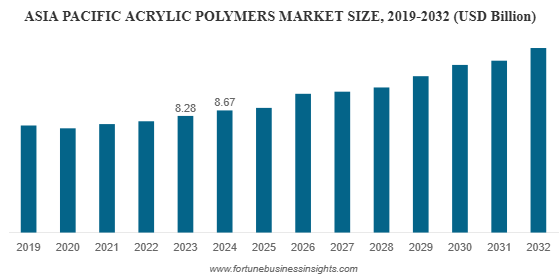
The Asia Pacific region dominated the acrylic polymer market in 2025, propelled by robust consumption from the construction, automotive, and manufacturing sectors with China, India, and Japan accounting for a significant share of regional demand. Expansion of infrastructure projects, increasing urbanization, and rapid industrial growth support continual polymer adoption.
North America is expected to register steady growth due to ongoing investments in automotive manufacturing, aerospace, and specialty coatings. Meanwhile, Europe benefits from stringent regulations promoting environmentally friendly and high-performance materials, further supporting polymer usage across industrial applications.
Latin America and Middle East & Africa are poised for gradual adoption as construction activity, industrial development, and automotive markets expand, driving acrylic polymer consumption across these regions.
Competitive Landscape and Key Market Players
The acrylic polymer market features a competitive landscape comprised of major chemical manufacturers, specialty polymer producers, and diversified materials companies. These players focus on strengthening product portfolios, enhancing production efficiency, and establishing strategic partnerships to support market penetration and innovation.
Key companies involved in the acrylic polymer market include:
• Arkema S.A.
• Dow Inc.
• Rohm and Haas (a subsidiary of Dow)
• SABIC
• Evonik Industries
• Mitsubishi Chemical Corporation
• LG Chem Ltd.
• Aditya Birla Group
• Synthomer Plc
• Jiangsu Sanmu Group
Market Challenges and Opportunities
Challenges:
• Raw Material Price Volatility: Fluctuations in the cost of monomers and feedstocks affect profitability and pricing strategies for manufacturers.
• Environmental Regulations: Increasing regulatory scrutiny around VOC emissions and sustainable materials places pressure on formulators to develop compliant polymers without compromising performance.
Opportunities:
• Demand for Bio-based & Sustainable Polymers: Investments in greener acrylic polymer technologies present new growth pathways while addressing environmental concerns.
• Expansion in Emerging Economies: Growth in construction, automotive, and consumer goods sectors in Asia Pacific, Latin America, and Africa continues to unlock fresh demand.
Ashwin Arora
Fortune Business Insights™ Pvt. Ltd.
+1 833-909-2966
sales@fortunebusinessinsights.com
Legal Disclaimer:
EIN Presswire provides this news content "as is" without warranty of any kind. We do not accept any responsibility or liability for the accuracy, content, images, videos, licenses, completeness, legality, or reliability of the information contained in this article. If you have any complaints or copyright issues related to this article, kindly contact the author above.
